
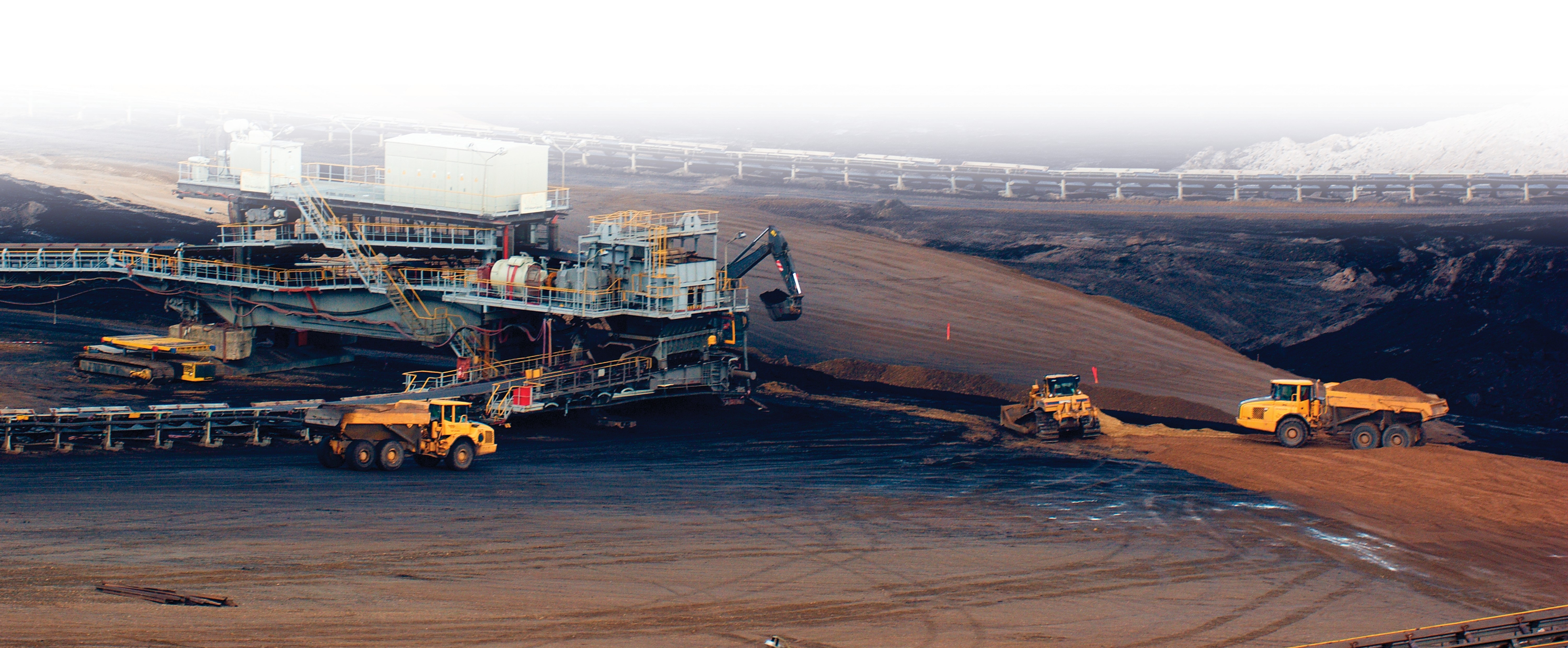
A US bases sand mining operation was sending sand cleaning process water to a pond for suspended solids removal before discharge. The water had to be discharged due to the fact that although it was being clarified, its turbidity was still too high to reuse back in the process. The plant wanted to improve its operation’s sustainability and reduce costs associated with effluent discharge and make-up usage.
Sand cleaning water was also a challenge on the output of the plant, and sand has to be dried in order to be shipped. Delays related to drying sand were limiting productivity of the mine.
Veolia audited the system and developed a treatment program that improved suspended solids removal in the clarifier, thus producing a cleaner effluent water of adequate quality for reuse in the sand cleaning process. The previous treatment program used both a coagulant and flocculant, whereas the Veolia program uses a single product: PolyFloc*. This change has simplified the mine’s effluent treatment application and reduced chemical costs.
Implementation of the PolyFloc program started with ensuring the correct product activation time and conditions to gain optimum product performance. A treatment injection procedure was tailored to the system’s need to achieve this, and Veolia provided operator training to the site team so that the gains in efficiency and quality were maintained. The new PolyFloc clarification treatment improved suspended solids settling rate, producing effluent turbidity of less than 7 NTU (Figure 1), which was acceptable to be reused back in the mine’s sand cleaning process. Moreover, the new chemistry improved the clarifier’s sludge properties, making it easier to process in the belt press dewatering system.
Sand cleaning water was also a challenge that the mine had to manage regarding the output of the plant, due to moisture content in the sand piles. Sand must be dried before shipping out to various users, and the dryers’ capacity is what limits output.
Initial sand moisture coming off the conveyor belts after washing is ~15%, which takes up to 36 hours to naturally reduce to 6-8% when piled.
The Veolia team recommended applying a DusTreat* moisture control agent to the sand piles before the feeding to the dryers. DusTreat speeds up water evacuation from the piles, taking the moisture down to the ~7% target range in less than 12 hours, reducing drying time by at least 66%. This increased the mine’s efficiency and productivity.
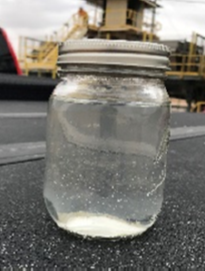
Figure 1: Improved clarified effluent with PolyFloc (<7 NTU)
结果
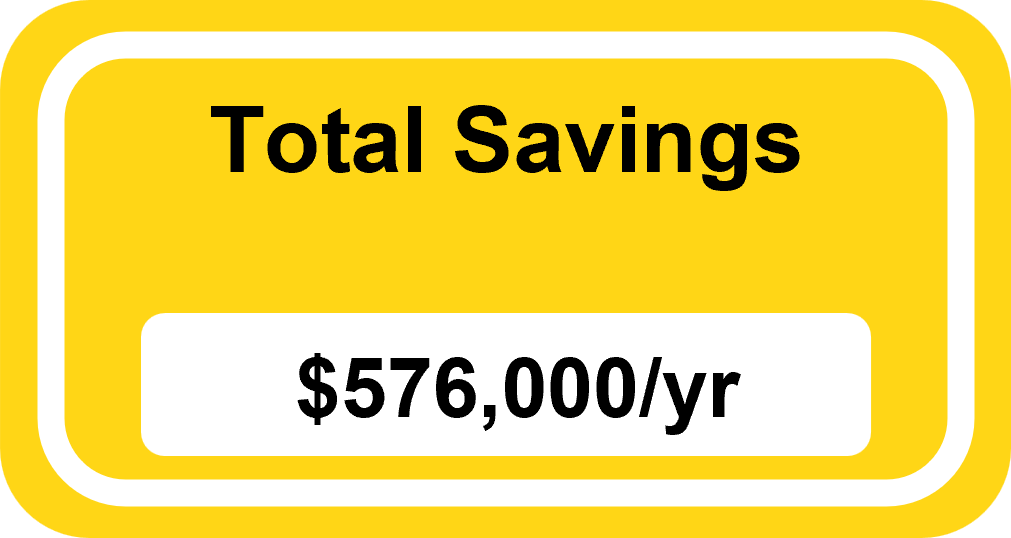
The customer stopped sending sand cleaning process water to a pond for discharge and now recycles it thanks to the improved suspended solids removal in the clarifier with PolyFloc, resulting in a $576,000 annual water consumption saving.
In addition, the customer also improved their clean sand dewatering performance using the DusTreat program. Speeding the moisture removal from the sand led to higher sand feed rates to the site’s dryers, providing additional efficiency and cost savings.